



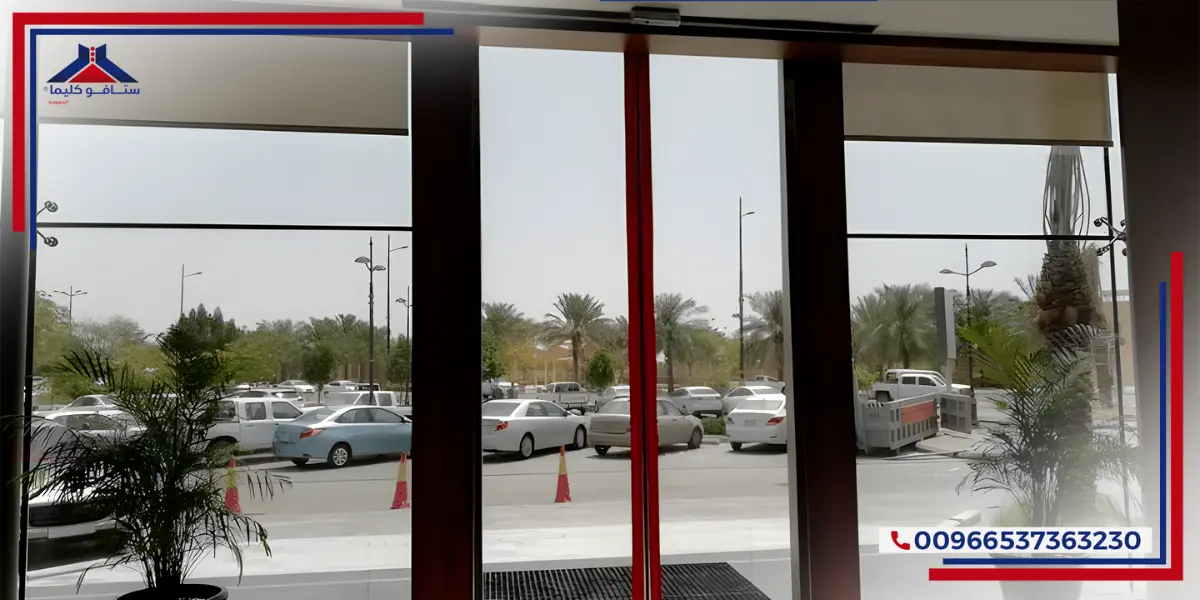
In modern buildings, HVAC performance is not only about cooling capacity. It is also about flexibility, zone control, energy efficiency, comfort, and how well the system responds to different areas of the building throughout the day. This is where VRF in HVAC becomes one of the most important solutions for large commercial and hospitality projects.
VRF system HVAC technology is designed to serve multiple indoor zones from one or more outdoor units, while adjusting refrigerant flow based on the actual cooling or heating demand of each zone.
This makes VRF especially useful in buildings such as hotels, offices, clinics, schools, mixed-use developments, and high-end residential projects where different rooms or areas need different temperature control.
In this guide, we explain the VRF full form in HVAC, the VRF meaning in HVAC, how VRF works, the difference between VRF and VRV HVAC, where VRF is most suitable, what affects installation cost, and how air curtains help protect VRF efficiency at main entrances in Saudi Arabia.
Table of Contents
ToggleWhat Is a VRF System?
A VRF system is an HVAC system that uses refrigerant as the main cooling or heating medium and distributes it from outdoor units to multiple indoor units. Each indoor unit can serve a different room, zone, or space, allowing users to control temperatures individually.
The U.S. Department of Energy defines variable refrigerant flow multi-split heat pumps as commercial package air-conditioning and heating equipment configured as split systems with one or more outdoor units and multiple indoor fan coil units, each capable of individual control.
In simple terms, a VRF HVAC system is designed to deliver the right amount of refrigerant to the right indoor unit at the right time. Instead of operating at a fixed output, the system adjusts its capacity according to demand.
A typical VRF system includes:
- Outdoor condenser units
- Multiple indoor fan coil units
- Refrigerant piping
- Branch selector boxes in heat recovery systems
- Zone controllers
- Central control panel
- Sensors and thermostats
- Drainage and electrical connections
- Fresh air or ventilation system when required
VRF systems are commonly used where comfort and zoning flexibility are important, especially in buildings with many rooms or areas that do not all operate the same way.

VRF Full Form in HVAC
The VRF full form in HVAC is Variable Refrigerant Flow. This means the system varies the amount of refrigerant flowing to each indoor unit based on the cooling or heating demand of that specific zone.
The core idea behind VRF is:
- Refrigerant flow changes according to demand.
- Each indoor unit can be controlled separately.
- The system can operate efficiently at part load.
- Multiple zones can be connected to the same outdoor system.
- Comfort can be managed room by room or zone by zone.
So, when people search for VRF meaning in HVAC, the simplest explanation is:
VRF in HVAC means a flexible air conditioning system that adjusts refrigerant flow to control different indoor zones independently.
How VRF Works?
A VRF system works by moving refrigerant between outdoor units and indoor units. The outdoor unit contains the compressor and heat exchanger, while the indoor units deliver cooling or heating to the occupied spaces.
1. The Outdoor Unit Controls Refrigerant Flow
The outdoor unit uses inverter-driven compressors to adjust system capacity. When the building needs more cooling, the compressor increases output. When demand is lower, it reduces output instead of switching fully on and off.
This variable operation helps the system match real building demand more closely.
2. Refrigerant Travels Through Piping
Instead of moving chilled water or large volumes of air, VRF systems move refrigerant through small-diameter piping to indoor units. This gives designers more flexibility compared with traditional large ducted systems.
3. Indoor Units Serve Different Zones
Each indoor unit can serve a specific room, suite, office, meeting room, or zone. The user or building management system can control each zone separately.
Daikin describes VRV/VRF technology as a system that circulates only the minimum amount of refrigerant needed during a cooling or heating period, allowing individual control of several air conditioning zones at the same time.
4. Controls Adjust System Output
Thermostats, sensors, and controllers communicate with the outdoor unit and indoor units. The system then adjusts refrigerant flow based on demand.
5. Heat Recovery May Allow Simultaneous Cooling and Heating
Some VRF systems are heat recovery systems. They can cool one area while heating another, depending on building demand. GSA notes that VRF systems can be capable of simultaneously cooling one area while heating another and can transfer heat from spaces being cooled to spaces being heated.
This is especially useful in hotels, offices, and mixed-use buildings where one side of a building may need cooling while another zone needs heating or less cooling.

VRF vs VRV: What Is the Difference?
One of the most common questions in HVAC is the difference between VRF and VRV.
Technically, VRF and VRV refer to the same type of technology. The difference is mainly in terminology and branding.
- VRF means Variable Refrigerant Flow.
- VRV full form in HVAC is Variable Refrigerant Volume.
- VRV is a term used by Daikin.
- VRF is the general industry term used by many manufacturers.
Daikin explains that VRV and VRF refer to the same technology, while VRV is Daikin’s specific term for Variable Refrigerant Volume.
VRF vs VRV HVAC Comparison
Point | VRF HVAC | VRV HVAC |
Full form | Variable Refrigerant Flow | Variable Refrigerant Volume |
Meaning | General industry term | Daikin’s branded term |
Technology | Multi-zone refrigerant-based HVAC | Same core technology |
Application | Commercial, hospitality, offices, residential | Commercial, hospitality, offices, residential |
Main idea | Variable refrigerant control | Variable refrigerant control |
So, if you ask whether VRV HVAC and VRF HVAC are different systems, the practical answer is: they are based on the same technology, but VRV is a branded term.
Main Types of VRF Systems
VRF systems are usually divided into two main types: heat pump VRF and heat recovery VRF.
1. Heat Pump VRF
A heat pump VRF system can provide either cooling or heating to connected zones, but usually not both at the same time across different zones.
Best For
- Offices with similar operating needs
- Retail spaces
- Schools
- Small hotels
- Buildings where most zones need cooling at the same time
Advantages
- Flexible zone control
- Good part-load efficiency
- Lower complexity than heat recovery VRF
- Suitable for many commercial applications
Limitation
It may not be ideal when different areas need simultaneous cooling and heating.
2. Heat Recovery VRF
A heat recovery VRF system can provide cooling to some zones and heating to others at the same time. It does this by transferring heat between zones through refrigerant control.
Best For
- Hotels
- Mixed-use buildings
- Offices with different sun exposure
- Buildings with internal and perimeter zones
- Facilities with varied occupancy patterns
Advantages
- Simultaneous cooling and heating
- Better comfort flexibility
- Strong fit for complex buildings
- Can improve energy performance when loads vary
Limitation
It usually has higher design complexity and installation cost than heat pump VRF.
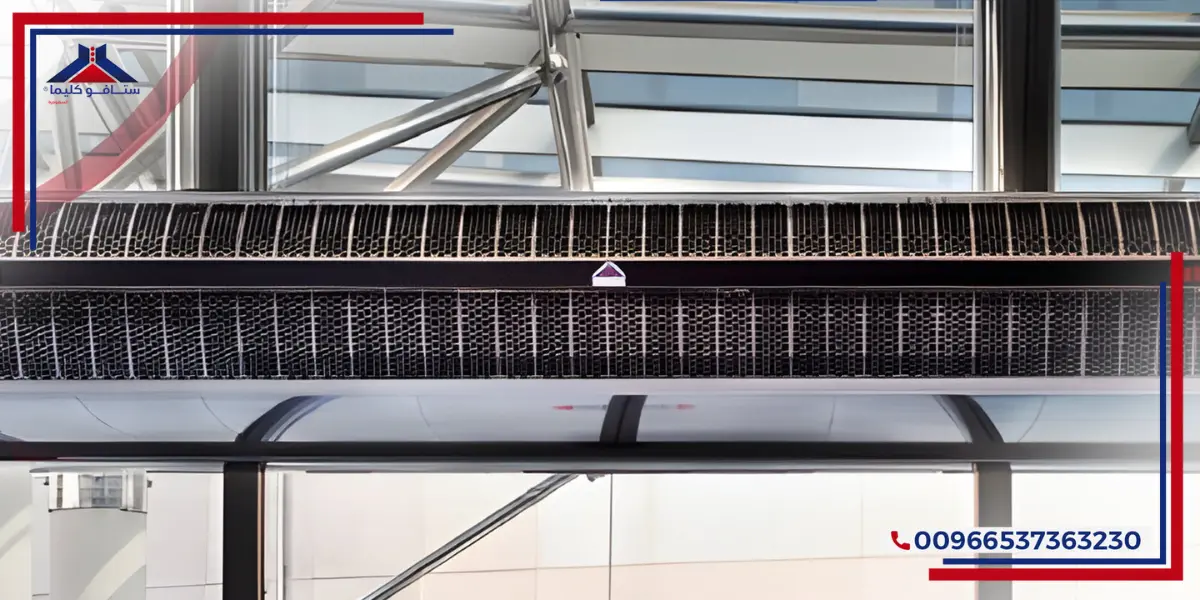
VRF Advantages for Hotels and Offices
VRF systems are widely used in hotels and office buildings because these building types often have different zones, schedules, and comfort requirements.
VRF in Hotels
Hotels are one of the strongest applications for VRF HVAC because each guest room can have different occupancy and comfort needs.
A hotel may have:
- Guest rooms
- Corridors
- Reception areas
- Restaurants
- Meeting rooms
- Ballrooms
- Gyms
- Staff areas
- Back-of-house zones
Hitachi identifies VRF systems as suitable for hotel spaces including guest rooms, restaurants, conference rooms, bars, fitness areas, and staff offices.
Why VRF Works Well in Hotels?
- Each guest room can be controlled independently.
- Unoccupied rooms can operate at reduced load.
- Quiet indoor units improve guest comfort.
- Heat recovery can support different zone needs.
- System flexibility supports different room layouts.
- Central controls help facility teams manage operation.
For hospitality projects in Saudi Arabia, where cooling demand is high and guest comfort expectations are strong, VRF can be a practical choice for hotels, serviced apartments, resorts, and mixed-use developments.
VRF in Office Buildings
Office buildings also benefit from VRF because different areas often have different cooling loads.
For example:
- Meeting rooms may need more cooling when occupied.
- Open offices may need stable cooling during working hours.
- Server rooms may need continuous cooling.
- South-facing zones may experience more solar heat.
- Private offices may have different usage patterns.
Why VRF Works Well in Offices?
- Better zone control
- Reduced overcooling in low-use areas
- Individual comfort control
- Good fit for tenant spaces
- Flexible installation in renovations
- Centralized monitoring and scheduling
- Lower ductwork requirements compared with some conventional systems
Daikin Middle East describes VRF systems as versatile alternatives to traditional HVAC solutions and notes their use in commercial spaces such as office buildings, hotels, and retail establishments due to flexibility and efficiency.
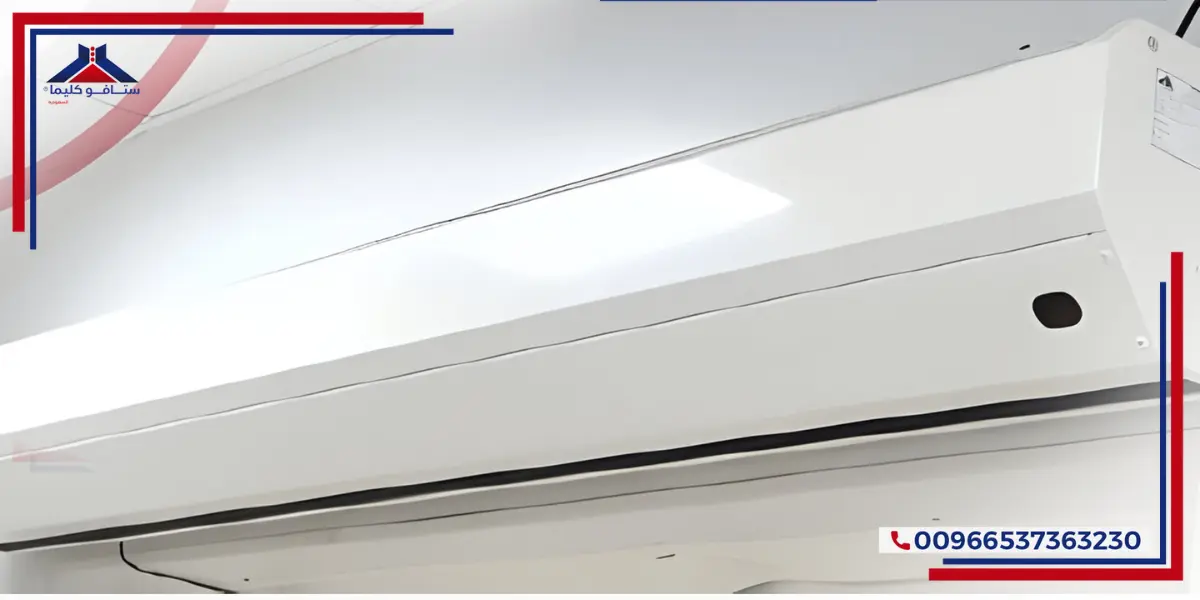
VRF Installation Costs in Saudi Arabia
The cost of installing a VRF system in Saudi Arabia can vary significantly from one project to another.
There is no single fixed price because VRF design depends on the building’s load, number of zones, piping length, indoor unit types, controls, ventilation requirements, and installation complexity.
Main Factors That Affect VRF Cost
- Building size
- Number of indoor units
- Number and capacity of outdoor units
- Heat pump vs heat recovery design
- Refrigerant piping length
- Ceiling and shaft accessibility
- Control system requirements
- Fresh air and ventilation design
- Drainage requirements
- Brand and equipment specification
- Installation quality
- Testing, balancing, and commissioning
Why VRF Can Cost More Upfront?
VRF systems usually cost more than basic split systems because they require more advanced controls, careful refrigerant piping design, multiple indoor units, and skilled installation.
However, VRF can be more cost-effective over time in the right building because it can improve comfort, reduce wasted cooling, and allow better part-load operation.
When VRF Cost Is Justified?
VRF is usually worth considering when:
- The building has many zones.
- Occupancy varies throughout the day.
- Comfort control is important.
- Duct space is limited.
- The project needs flexible operation.
- Long-term energy performance matters.
- The building is a hotel, office, clinic, school, or mixed-use facility.
Because costs vary widely, the best approach is to perform a proper HVAC load calculation and project-specific design before estimating the system cost.
Is VRF Suitable for Residential Buildings?
Yes, VRF can be suitable for some residential buildings, especially large villas, luxury homes, apartment buildings, and residential towers with multiple zones.
However, for small apartments or simple homes, VRF may be more advanced than necessary. In many residential applications, split or ductless systems may be more practical and affordable.
VRF May Be Suitable for Residential Projects When:
- The home has many rooms or zones.
- Different areas need independent control.
- A quiet indoor environment is important.
- The building owner wants central control.
- Outdoor unit space is limited.
- The project is high-end or multi-family.
VRF May Not Be Necessary When:
- The space is small.
- Cooling needs are simple.
- Budget is limited.
- Individual split systems can handle the load.
- Maintenance support is not available.
NREL research notes that VRF systems have become common in large multifamily buildings, while also emphasizing the importance of real-world performance considerations such as sizing, humidity control, and efficiency.
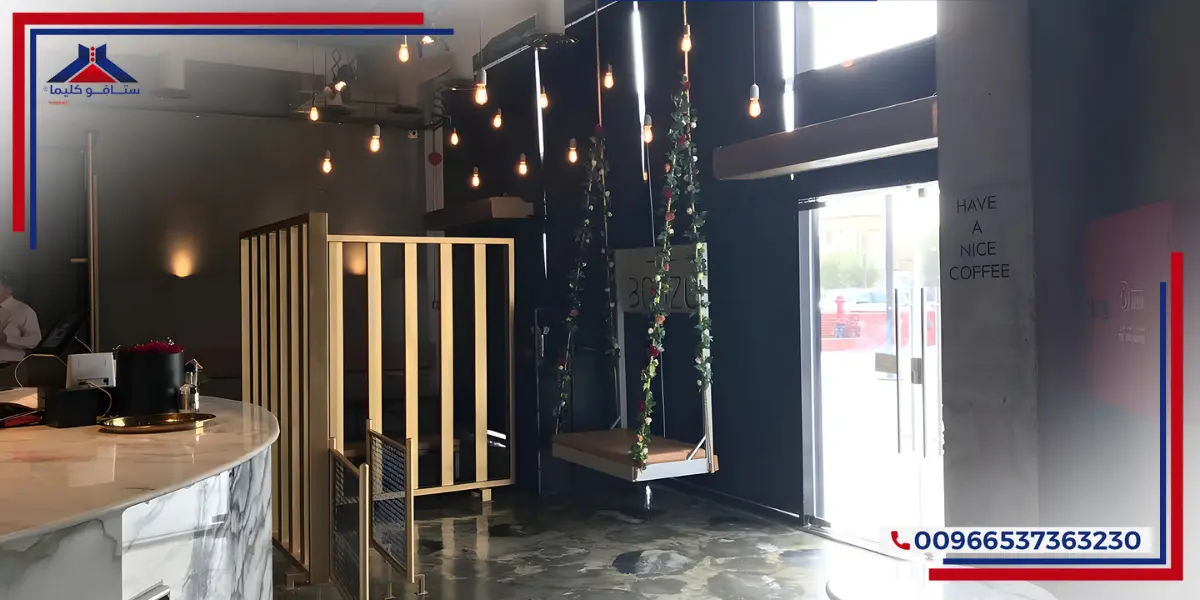
VRF in Saudi Arabia: Where It Makes the Most Sense?
Saudi Arabia’s hot climate, long cooling season, and growing commercial and hospitality sectors create strong demand for advanced HVAC systems.
The Saudi HVAC market is estimated at USD 3.47 billion in 2025 and is projected to reach USD 4.63 billion by 2030, growing at a CAGR of 5.90%, according to Mordor Intelligence.
This growth is driven by residential, commercial, and industrial demand, and it increases the importance of selecting HVAC systems that match building type and operational needs.
VRF Makes Sense in Saudi Buildings Such As:
- Hotels
- Offices
- Clinics
- Schools
- Luxury villas
- Mixed-use buildings
- Retail spaces
- Serviced apartments
- Commercial towers
- Renovated buildings with limited duct space
Saudi Climate Considerations
When applying VRF in Saudi Arabia, the design team should consider:
- High outdoor temperatures
- Long cooling hours
- Dust exposure
- Maintenance access
- Fresh air requirements
- Indoor humidity control
- Refrigerant piping limits
- Entrance air infiltration
- Proper commissioning
VRF can provide strong zoning flexibility, but it must be part of a complete HVAC strategy that includes ventilation, controls, maintenance planning, and entrance protection.
Air Curtains with VRF: The Optimal Pairing
VRF systems are designed to control indoor zones efficiently. However, even the best VRF system can be affected by uncontrolled air movement at main entrances.
In Saudi Arabia, main entrances are exposed to:
- Hot outdoor air
- Dust
- Humidity
- Insects
- Frequent door movement
- High customer or visitor traffic
- Sudden temperature changes near lobby areas
Every time the main entrance opens, cooled indoor air can escape and hot outdoor air can enter. This creates extra cooling load and may force indoor units near entrances to work harder.
This is where air curtains become a strong complement to VRF systems.
An air curtain creates a controlled air stream across the doorway. This invisible barrier helps reduce the exchange between indoor and outdoor air while allowing people to move freely.
How Air Curtains Improve VRF Efficiency
- They reduce cooling loss at entrances: Air curtains help keep conditioned air inside the building, reducing the impact of frequent door openings.
- They limit hot air infiltration: Less hot outdoor air entering the space means the VRF system faces fewer sudden load changes near entrance zones.
- They support stable zone comfort: Entrance zones, lobbies, reception areas, and retail front areas can maintain more stable temperatures.
- They reduce dust and humidity entry: This is especially important in Saudi Arabia’s climate, where outdoor dust and humidity can affect indoor comfort and air quality.
- They protect high-performance HVAC investments: VRF systems are often selected for efficiency and control. Air curtains help protect that performance at one of the weakest points in the building envelope.
Air curtains do not replace VRF. They help VRF systems operate under more stable entrance conditions.
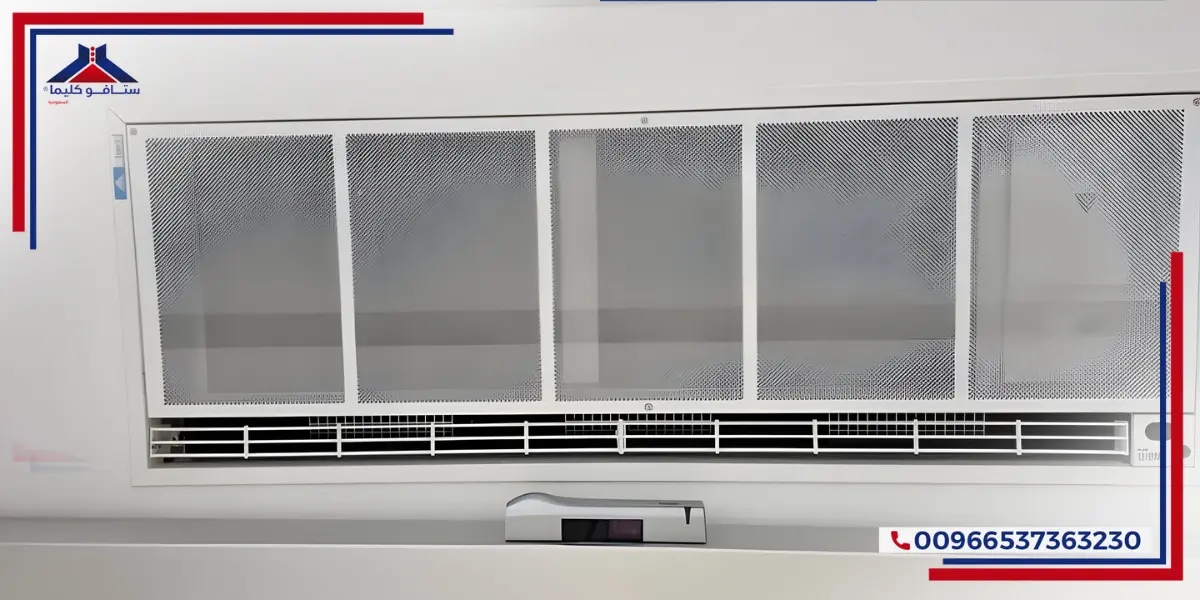
Stavoklima Saudi Arabia: Air Curtains That Protect VRF HVAC Performance
At Stavoklima Saudi Arabia, we specialize in air curtain solutions that help protect HVAC performance at entrances, including buildings that use VRF HVAC, packaged systems, chillers, split systems, and central air distribution.
Our role is to support HVAC efficiency where many systems lose performance: the entrance. In hotels, offices, hospitals, malls, warehouses, and retail spaces, frequent door openings allow cooled air to escape and outdoor heat, dust, and humidity to enter.
Our air curtains create an engineered air barrier that reduces this exchange while keeping entrances open and accessible.
How We Support VRF HVAC Projects?
- We protect main entrances and lobby zones: We help reduce hot air infiltration in areas where VRF indoor units may face sudden cooling loads.
- We support comfort in high-traffic buildings: Hotels, offices, retail stores, and public buildings need comfortable entrances without blocking movement.
- We recommend the right model for each doorway: Every entrance has different dimensions, traffic levels, installation limits, and aesthetic requirements.
- We help reduce dust, humidity, and insects: Our air curtains support cleaner indoor conditions by reducing unwanted outdoor air movement.
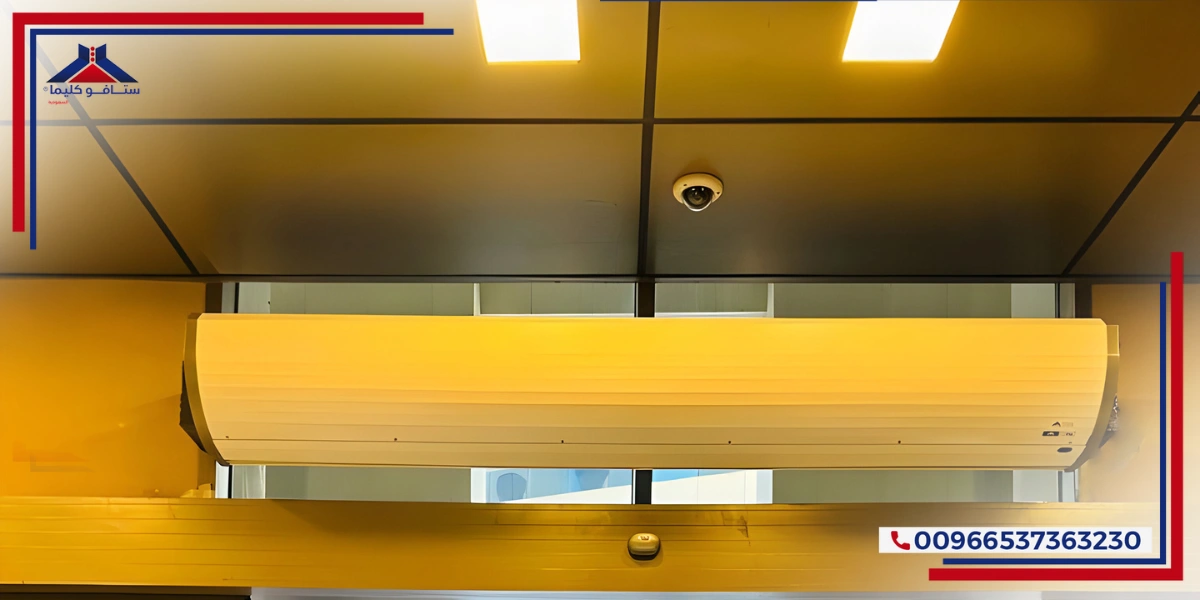
- We work with commercial and industrial applications: From elegant concealed air curtains to industrial models for large doors, we match the solution to the project.
If your building uses VRF HVAC or another advanced cooling system, contact Stavoklima Saudi Arabia to protect your HVAC performance from the entrance with the right air curtain solution.
Stavoklima Projects in Saudi Arabia
At Stavoklima Saudi Arabia, our projects show how air curtains support HVAC efficiency in real buildings across hospitality, healthcare, food production, industrial, and commercial environments.
1. Dallah Hospital
At Dallah Hospital in Saudi Arabia, the challenge was to protect a sensitive healthcare environment from outdoor air, dust, insects, and possible contaminants while maintaining comfort for patients and visitors.
Stavoklima inspected the site, studied door dimensions and environmental conditions, and selected Li Mini air curtains in different sizes for hospital entrances and reception areas
The project focused on hygiene, comfort, reduced cold-air leakage, and better entrance protection for a healthcare facility.
2. Almarai Factory
At Almarai Factory, Stavoklima supplied air curtain solutions to support cold comfort and operational efficiency in a major food production and distribution environment.
The project highlights how air curtains can help protect cooled areas in food-sector facilities where temperature control, hygiene, and efficient movement are important.
3. Renault and Volvo Factories
At Renault and Volvo factories in Saudi Arabia, Stavoklima installed Axi Horizontal air curtains on loading doors to improve loading and unloading operations, support protection from outdoor conditions, and improve energy efficiency in industrial environments.
This type of application is especially important where large doors open frequently and HVAC systems must maintain stable indoor conditions despite heavy movement.
What These Projects Show?
- Air curtains can support HVAC performance in healthcare, food production, and industrial facilities.
- Different entrance types require different models and installation approaches.
- Protecting entrances helps reduce cooled air loss and outdoor air infiltration.
- Air curtains are compatible with advanced HVAC systems such as VRF, especially in zones exposed to frequent door movement.
From hospitals and hotels to factories and commercial buildings, Stavoklima Saudi Arabia helps protect HVAC efficiency at every entrance. Contact our team for a free consultation and project-specific recommendation.
Conclusions
VRF in HVAC is a smart choice for buildings that need flexible zone control, efficient part-load operation, and better comfort management. It is especially suitable for hotels, offices, clinics, mixed-use buildings, and high-end residential projects.
Understanding VRF meaning in HVAC, the difference between VRF and VRV, and the right applications for VRF helps building owners, consultants, and facility managers make better HVAC decisions.
However, VRF performance depends on more than indoor units, outdoor units, refrigerant piping, and controls. In Saudi Arabia, main entrances can create major cooling losses due to heat, dust, humidity, and frequent traffic.
That is why air curtains are an important complementary solution. A well-designed VRF system controls comfort inside the building. A well-selected air curtain helps protect that comfort from the entrance.
References
1-U.S. Department of Energy — Variable Refrigerant Flow Air Conditioners and Heat Pumps
2-Daikin — VRV and VRF Systems
3-Daikin Middle East — Variable Refrigerant Flow / VRV vs VRF
4-GSA — Variable Refrigerant Flow Findings
5-Hitachi Cooling & Heating — VRF Systems for Hotels
6-Mordor Intelligence — Kingdom of Saudi Arabia HVAC Market
FAQs about VRF in HVAC
1-What is the difference between VRF and VRV?
VRF stands for Variable Refrigerant Flow, while VRV stands for Variable Refrigerant Volume. Both refer to the same core HVAC technology, but VRV is Daikin’s branded term, while VRF is the general industry term.
2-What is VRF in HVAC?
VRF in HVAC means Variable Refrigerant Flow. It is a system that uses refrigerant to deliver cooling or heating from outdoor units to multiple indoor units, with individual zone control.
3-What is the VRF full form in HVAC?
The VRF full form in HVAC is Variable Refrigerant Flow.
4-What is the VRV full form in HVAC?
The VRV full form in HVAC is Variable Refrigerant Volume.
5-Is VRF suitable for residential buildings?
Yes, VRF can be suitable for large villas, luxury homes, apartment buildings, and residential towers. For smaller homes or simple apartments, split or ductless systems may be more practical.
6-What does a VRF system cost to install?
VRF installation cost depends on building size, number of indoor units, outdoor unit capacity, piping length, system type, controls, ventilation needs, and installation complexity. A project-specific load calculation and design are needed for accurate pricing.
7-How do air curtains improve VRF efficiency?
Air curtains improve VRF efficiency by reducing cooled-air loss, hot-air infiltration, dust, humidity, and entrance-related load changes. This helps VRF indoor zones maintain more stable comfort conditions.
8-Is VRF better than a split system?
VRF is usually better for multi-zone buildings that need advanced control and flexible operation. Split systems are often more suitable for smaller spaces with simpler cooling needs.