



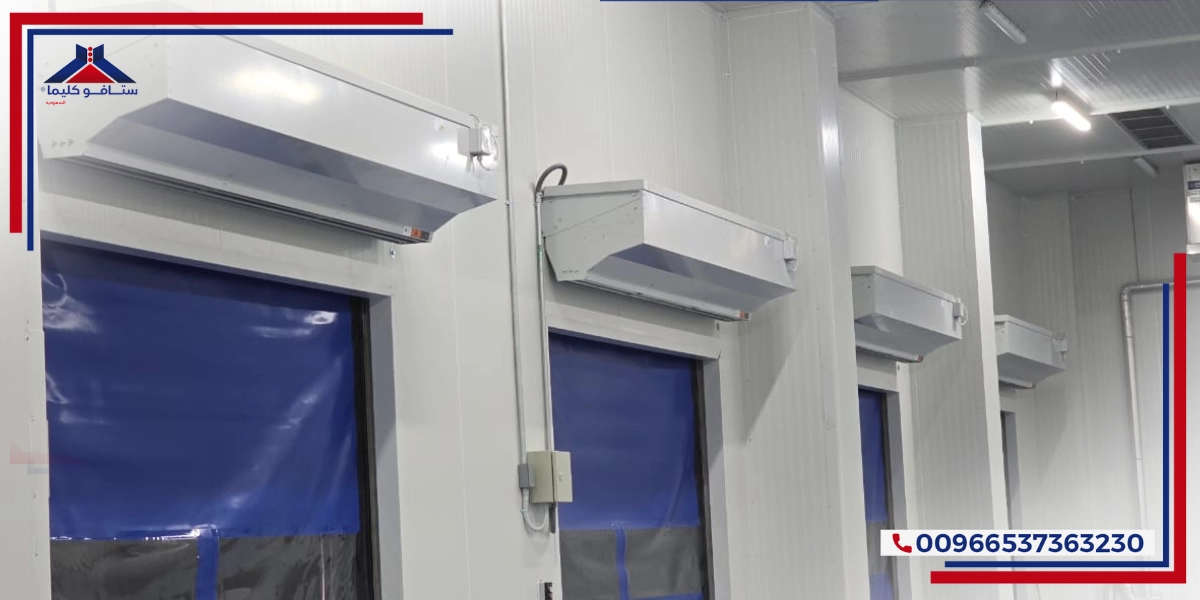
In any HVAC system, comfort is not achieved only by cooling or heating the air. It also depends on how that air is delivered into the occupied space. This is where HVAC Diffusers become essential.
A well-designed HVAC system can still perform poorly if the wrong diffuser is selected, placed incorrectly, or sized without considering airflow, throw, noise, ceiling height, and room layout. Poor air distribution can lead to drafts, hot and cold spots, noise complaints, weak ventilation mixing, and unnecessary pressure losses that make the system work harder.
In this guide, we explain what an HVAC diffuser is, the main types of diffuser in HVAC, how to select the right diffuser for each space, the difference between a diffuser, grille, and register, and why air curtains can be considered the specialized air distribution solution for entrances.
Table of Contents
ToggleWhat Is an HVAC Diffuser?
An HVAC diffuser is an air distribution device used to deliver conditioned supply air from the duct system into a room or occupied area. Its job is not only to release air, but to distribute it in a controlled pattern that supports comfort, mixing, and ventilation.
In simple terms, a diffuser in HVAC helps control:
- Air direction
- Air spread pattern
- Air velocity
- Throw distance
- Mixing with room air
- Noise level
- Comfort in the occupied zone
A supply diffuser HVAC device is usually installed in ceilings, walls, or exposed duct systems. It receives conditioned air from the HVAC system and distributes it into the space in a way that avoids drafts and supports temperature uniformity.
Engineering references from Titus emphasize that outlet performance depends on throw, air velocity, temperature difference, room comfort, and diffuser selection data, making diffuser selection a technical design step rather than a decorative choice.
Why Do HVAC Diffusers Matter?
HVAC Diffusers are the final connection between the HVAC system and the people inside the building. Even if chillers, AHUs, ducts, fans, and controls are designed well, poor diffuser selection can reduce comfort inside the space.
A good diffuser helps:
- Deliver air evenly.
- Prevent uncomfortable drafts.
- Avoid stagnant air zones.
- Improve temperature distribution.
- Support better indoor air quality.
- Reduce noise from high air velocity.
- Improve occupant comfort.
- Support efficient HVAC operation.
HPAC Engineering notes that after load calculation and duct design, one of the key next steps is selecting supply air outlets, with important engineering parameters including air distribution performance and noise.
This is why diffusers in HVAC should be selected according to performance, not only appearance.
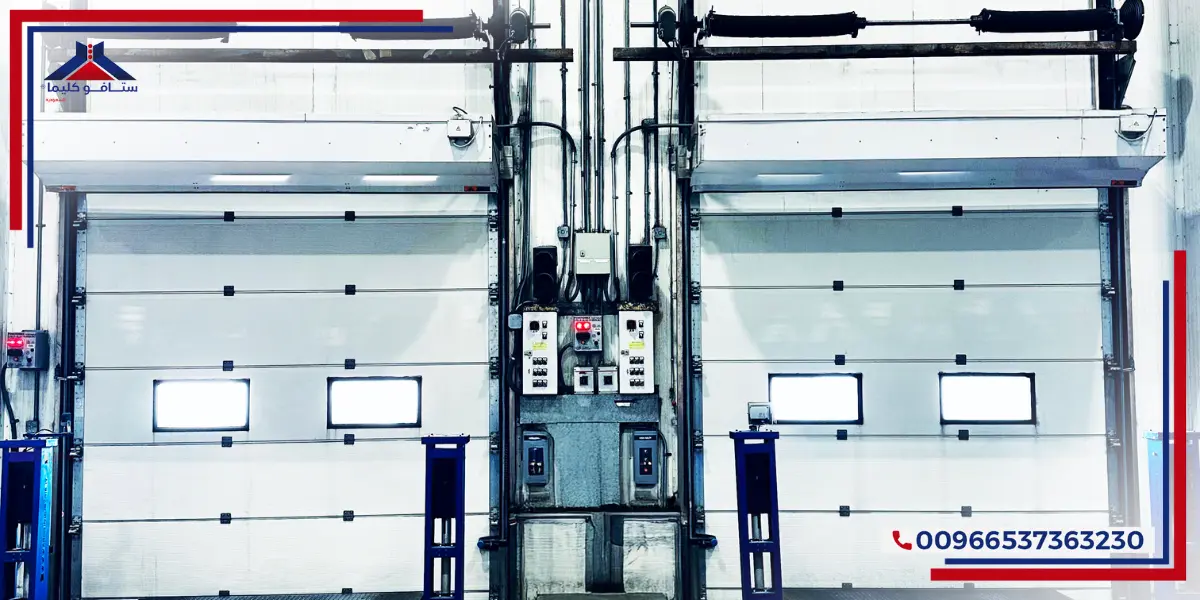
Main Types of Diffuser in HVAC
There are several types of HVAC diffusers, and each type is designed for a specific air distribution need.
The most common types include:
- Ceiling diffusers
- Linear diffusers
- Slot diffusers
- Jet diffusers
- Swirl diffusers
- Floor diffusers
- Perforated diffusers
- Air curtains for entrances
1. Ceiling Diffusers
A ceiling diffuser is one of the most common diffuser types in commercial and residential HVAC systems. It is usually installed in suspended ceilings or gypsum ceilings and distributes air horizontally or in multiple directions.
Where Ceiling Diffusers Are Used?
Ceiling diffusers are commonly used in offices, clinics, classrooms, retail stores, hotel rooms, meeting rooms, residential spaces, and small commercial areas.
Advantages of Ceiling Diffusers
- Good general air distribution: Ceiling diffusers can spread air across the room and help mix supply air with room air.
- Suitable for standard ceiling heights: They work well in many spaces with typical ceiling heights.
- Available in multiple patterns: They can deliver air in one-way, two-way, three-way, or four-way patterns.
- Practical for commercial interiors: They are easy to integrate with suspended ceiling systems.
Limitations of Ceiling Diffusers
- They may cause drafts if selected with excessive airflow or wrong throw.
- They may not be suitable for very high ceilings.
- They require proper placement to avoid short-circuiting air to return grilles.
- They may not perform well near large entrances or open doors where outdoor air affects the zone.
Best Use Case
Use ceiling diffusers in standard occupied spaces where the goal is balanced air distribution, moderate throw, and good comfort.
2. Linear Diffusers
Linear diffusers are long, narrow air outlets that distribute air in a continuous line. They are commonly selected when both performance and architectural appearance matter.
Where Linear Diffusers Are Used?
Linear diffusers are common in offices, hotels, airports, luxury retail stores, lobbies, corridors, meeting rooms, and modern commercial interiors.
Advantages of Linear Diffusers
- Architectural appearance: Linear diffusers can blend with modern ceiling designs and create a clean visual line.
- Flexible air patterns: Depending on design, they can direct air in one or two directions.
- Good for perimeter zones: Linear diffusers are often used near glass façades or long spaces.
- Suitable for continuous ceiling layouts: They can be installed in long runs across a space.
Limitations of Linear Diffusers
- They require careful coordination with ceiling design.
- Poor selection can create drafts along occupied zones.
- Installation quality affects appearance and performance.
- Long continuous runs need proper plenum design and balancing.
Best Use Case
Use linear diffusers where air distribution must combine comfort performance with a clean architectural look.
3. Slot Diffusers
Slot diffusers are similar to linear diffusers but are often defined by one or more narrow slots. They are widely used in commercial spaces where discreet air distribution is required.
Where Slot Diffusers Are Used
Slot diffusers are used in office ceilings, hotel rooms, conference rooms, lobbies, corridors, retail stores, and perimeter cooling zones.
Advantages of Slot Diffusers
- Clean ceiling integration: Slot diffusers are visually minimal and work well with modern interiors.
- Adjustable airflow direction: Many models allow air pattern adjustment.
- Good for perimeter applications: They can help manage heat gain near windows or façades.
- Suitable for supply and return applications: Some systems allow coordinated supply and return slot layouts.
Limitations of Slot Diffusers
- They require correct plenum sizing.
- Incorrect slot velocity can cause noise.
- Poor layout can create uneven airflow.
- They may not be ideal for very large open spaces unless carefully designed.
Best Use Case
Use slot diffusers in commercial interiors where clean design, controlled air pattern, and ceiling integration are priorities.
4. Jet Diffuser HVAC
A jet diffuser HVAC device is designed to throw air over long distances. It produces a strong, focused air jet that can reach deep into large-volume spaces.
Where Jet Diffusers Are Used
Jet diffusers are commonly used in airports, malls, exhibition halls, industrial halls, warehouses, sports facilities, large lobbies, and high-ceiling spaces.
Advantages of Jet Diffusers
- Long throw distance: Jet diffusers can deliver air across large spaces where standard ceiling diffusers may not reach.
- Suitable for high ceilings: They are useful when the air outlet is far from the occupied zone.
- Directional control: Many jet diffusers can be adjusted to direct airflow where needed.
- Strong air penetration: They are useful in spaces with large volume or long distances between outlet and occupied areas.
Limitations of Jet Diffusers
- They can cause drafts if aimed incorrectly.
- They require accurate throw calculation.
- Noise and velocity must be checked carefully.
- They may not suit low-ceiling spaces.
Best Use Case
Use a jet diffuser HVAC solution when the space has a high ceiling, long throw requirement, or large open area where standard diffusers cannot distribute air effectively.
5. Swirl Diffusers
Swirl diffusers discharge air in a rotating pattern. This creates strong air mixing and can help distribute air quickly in occupied spaces.
Where Swirl Diffusers Are Used?
Swirl diffusers are used in offices, airports, schools, auditoriums, retail spaces, high-occupancy areas, and spaces with variable airflow systems.
Advantages of Swirl Diffusers
- Strong air mixing: The swirling pattern helps mix supply air with room air.
- Good for high cooling loads: Swirl diffusers can handle higher air change rates when properly selected.
- Useful in variable air volume systems: They can perform well in spaces where airflow changes.
- Comfort-focused design: They help reduce temperature differences when selected correctly.
Limitations of Swirl Diffusers
- Incorrect sizing may create drafts.
- Noise must be checked at higher airflow.
- They need proper spacing.
- Not always suitable for purely architectural ceiling designs.
Best Use Case
Use swirl diffusers in spaces needing strong mixing, high comfort, and effective air distribution under changing airflow conditions.
6. Perforated Diffusers
Perforated diffusers use a perforated face to distribute air gently into the room. They are often used when a clean, flush ceiling appearance is required.
Where Perforated Diffusers Are Used?
They are common in offices, schools, clinics, labs, clean interiors, commercial ceilings, and spaces needing low visual impact.
Advantages of Perforated Diffusers
- Clean appearance.
- Gentle air distribution.
- Good ceiling integration.
- Suitable for supply and return layouts.
- Often used in standard commercial buildings.
Limitations of Perforated Diffusers
- Not ideal for long throw requirements.
- Needs correct balancing.
- May not suit high-volume spaces.
- Face velocity and noise must be checked.
Best Use Case
Use perforated diffusers in offices, schools, and healthcare-related spaces where quiet, clean, and visually simple air distribution is required.
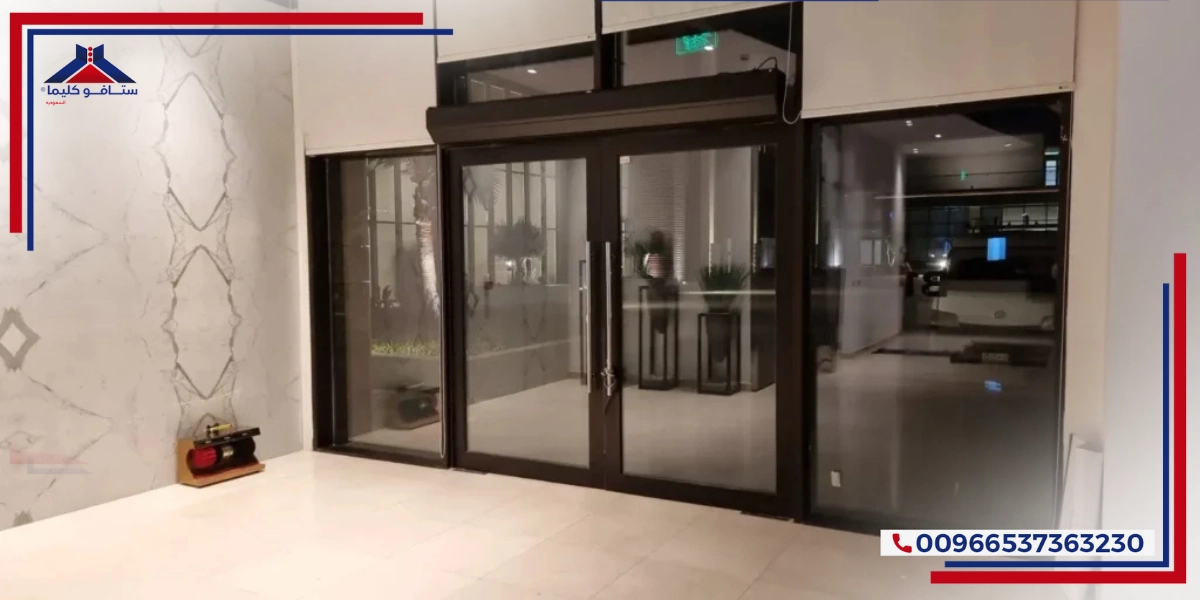
Diffuser vs Grille vs Register
Many people use the terms diffuser, grille, and register interchangeably, but they are not exactly the same.
1-HVAC Diffuser
A diffuser is designed to distribute supply air in a specific pattern. It controls how air spreads into space.
2-Grille
A grille is usually a fixed air opening with no damper. It is commonly used for return air or exhaust air.
3-Register
A register is similar to a grille but includes a damper that can be adjusted to control airflow.
Quick Comparison
Device | Main Function | Usually Used For | Has Damper? |
Diffuser | Distributes air in a pattern | Supply air | Sometimes |
Grille | Allows air to pass | Return or exhaust | Usually no |
Register | Allows air to pass with control | Supply or return | Yes |
How to Select the Right HVAC Diffuser?
Selecting the right HVAC diffuser requires more than matching the duct size. The diffuser should be selected based on airflow performance, comfort, acoustics, ceiling design, and room function.
1. Airflow Rate, CFM
The first step is knowing how much air the space needs. This is usually calculated during HVAC load calculation and duct design.
If the diffuser is too small for the required airflow, velocity and noise may increase. If it is too large, air may not throw far enough into the room.
2. Throw Distance
Throw is the distance that supply air travels from the diffuser before slowing to a specific terminal velocity.
Throw is important because too short throws can cause poor mixing, too long throws can cause drafts, and incorrect throws can create hot or cold spots.
3. Noise Criteria
Diffusers can create noise when airflow velocity is too high or when the diffuser is not suitable for the application.
Noise is especially important in hotel rooms, offices, classrooms, hospitals, meeting rooms, libraries, and residential spaces.
4. Pressure Drop
Pressure drop affects fan energy and system performance. A diffuser with high pressure drop may require more fan power, while poor selection can affect balancing across the duct system.
5. Ceiling Height
Ceiling height affects diffuser type and throw. Low ceilings usually need gentle airflow, standard ceilings often use ceiling or slot diffusers, and high ceilings may need jet or swirl diffusers.
6. Room Function
Different spaces need different diffuser behavior. Offices need quiet comfort, hospitals need controlled air movement, retail stores need comfort plus aesthetics, warehouses may need long throws, and entrances need air separation.
7. Occupied Zone Comfort
The diffuser should not create uncomfortable drafts in the occupied zone. Comfort is affected by air velocity, supply air temperature, diffuser direction, occupant location, ceiling height, room layout, and heat load.
8. Architectural Design
In many modern projects, diffusers must also match the interior design. Linear, slot, and concealed diffusers are often selected for hotels, luxury retail, offices, and lobbies because they provide cleaner ceiling integration.
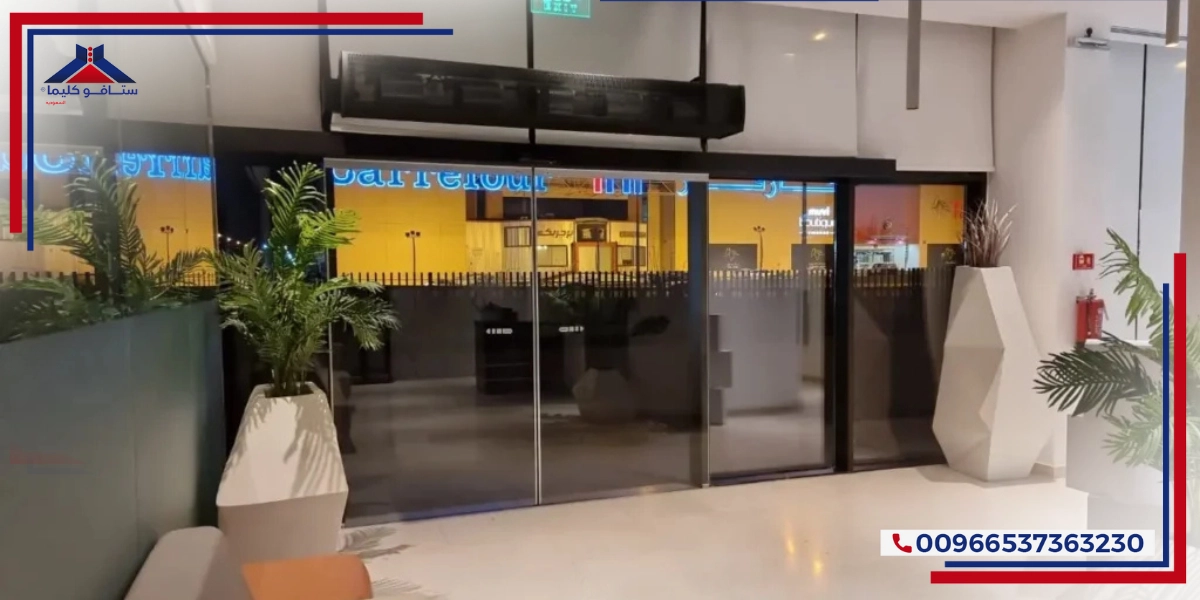
Best Practices for HVAC Diffuser Design
1-Use Manufacturer Performance Data
Never select diffusers based only on appearance. Use catalog data for airflow, throw, pressure drop, noise, and air pattern.
2-Avoid Oversupplying One Area
Too much air from one diffuser can cause drafts, noise, and uneven comfort. It is often better to distribute airflow across multiple correctly selected diffusers.
3-Coordinate Supply and Return Locations
Supply diffusers should not discharge air directly into return grilles. This causes short-circuiting, where conditioned air returns to the HVAC system before mixing with the room.
4-Check Air Pattern Direction
The air pattern should match the room shape, ceiling type, and occupant location.
5-Consider Variable Airflow Conditions
In VAV systems, airflow changes throughout the day. Diffusers should still perform well at reduced airflow, not only at maximum design airflow.
6-Control Noise Early
If noise is ignored during selection, it can be difficult to fix after installation. Check NC values, velocity, and pressure drop before final approval.
7-Match Diffuser Type to Space Type
A jet diffuser may work well in a high-ceiling hall, but not in a small office. A slot diffuser may look elegant in a lobby, but still needs correct plenum and airflow design.
Air Curtains: The Entrance Diffuser
Most HVAC diffusers are designed to distribute air inside occupied rooms. But entrances are different.
At entrances, the goal is not only to supply air into a room. The goal is to create air separation between indoor and outdoor environments. This is why air curtains can be described as the specialized diffuser for building entrances.
An air curtain creates a controlled stream of air across a doorway or opening. This stream forms an invisible air barrier that helps reduce the exchange between indoor and outdoor air.
Why Entrances Need a Different Air Distribution Solution?
Standard diffusers are not designed to protect open doors. If a building has frequent door openings, cooled indoor air can escape while outdoor heat, dust, humidity, insects, and pollutants enter.
This can cause higher cooling load, less stable indoor temperature, dust and humidity problems, entrance discomfort, higher HVAC workload, and lower indoor air quality near doors.
Can an Air Curtain Replace a Diffuser?
An air curtain cannot replace a standard HVAC diffuser inside an occupied room. A ceiling, linear, slot, or jet diffuser is still needed for normal air distribution.
However, at entrances, an air curtain can do something standard diffusers cannot do: create an air barrier across an open doorway.
So the correct approach is:
- Use HVAC diffusers for room air distribution.
- Use air curtains for entrance air separation.
- Use both together when the building needs comfort, efficiency, and entrance protection.
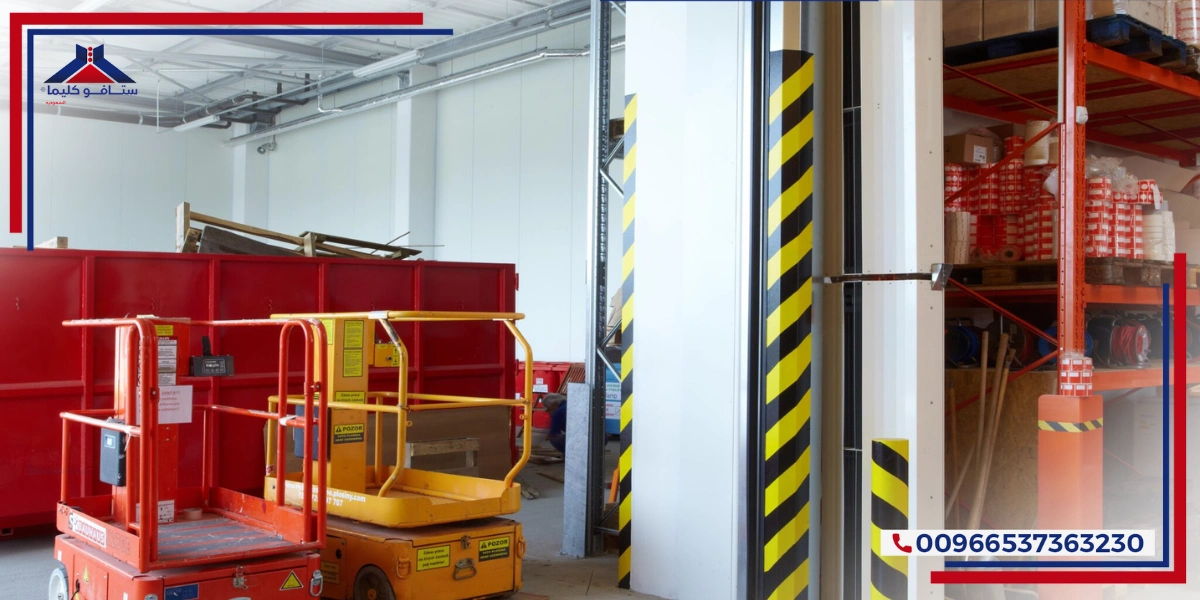
Stavoklima Saudi Arabia: Air Curtains for Entrance Air Distribution
At Stavoklima Saudi Arabia, we specialize in air curtain solutions that support HVAC performance by protecting building entrances. While traditional HVAC Diffusers distribute air inside rooms, our air curtains are designed to control air movement at doors, loading bays, lobbies, and high-traffic access points.
Our role is to help buildings reduce cooled-air loss, limit hot air infiltration, reduce dust and insects, and improve comfort near entrances. This makes air curtains especially valuable for commercial, industrial, hospitality, healthcare, and retail facilities in Saudi Arabia.
How We Support HVAC and Air Distribution Projects?
- We provide entrance-focused air distribution: Our air curtains create a controlled air barrier where standard diffusers cannot protect the space effectively.
- We support HVAC efficiency: By reducing air exchange at entrances, our solutions help HVAC systems maintain more stable indoor conditions.
- We recommend models based on the application: A hotel entrance, hospital reception, factory loading door, retail storefront, and warehouse gate each require different air curtain specifications.
- We help improve comfort without blocking movement: Air curtains allow people, carts, vehicles, and goods to move freely while still protecting indoor air.
- We design for Saudi conditions: Our solutions are selected to handle heat, dust, humidity, and frequent door movement.
If your building has high-traffic entrances, contact Stavoklima Saudi Arabia to select the right air curtain solution and improve HVAC performance from the doorway.
Stavoklima Projects in Saudi Arabia
At Stavoklima Saudi Arabia, our projects show how air curtains act as specialized entrance air distribution systems across different building types.
1. Massimo Dutti
In the Massimo Dutti project, Stavoklima installed Li Recessed air curtains, a concealed solution suitable for retail entrances where aesthetics and performance are both important.
This type of application is especially relevant for stores where the entrance must remain visually elegant while reducing outdoor air infiltration and protecting indoor comfort.
2. Sadafco Factories
At Sadafco factories, Stavoklima used Axi Horizontal air curtains to improve climate control in an industrial environment. Industrial facilities often face large openings, frequent movement, and exposure to outdoor air.
Air curtains help reduce the impact of these openings while supporting a more stable internal environment.
3. PepsiCo Factory
At PepsiCo Factory, Stavoklima supplied Li Pico air curtains as part of an industrial air curtain application.
Food and beverage facilities need entrance protection to help limit dust, outdoor contaminants, and temperature disturbance, especially around areas with frequent access movement.
What These Projects Show?
- Air curtains can support both commercial and industrial HVAC environments.
- Entrance air distribution requires a different solution than standard room diffusers.
- Concealed air curtains can protect comfort without affecting interior design.
- Industrial air curtains can help protect production and storage environments.
- Selecting the right air curtain depends on entrance size, traffic level, installation space, and environmental conditions.
From retail stores to factories and commercial buildings, Stavoklima Saudi Arabia helps you protect indoor comfort at the entrance. Contact our team for a free consultation and model recommendation.
Conclusions
HVAC Diffusers are essential components in any air distribution system. They determine how conditioned air enters the occupied space, how well it mixes with room air, and how comfortable the space feels to occupants.
Choosing the right hvac diffuser depends on airflow, throw, noise, pressure drop, ceiling height, space function, and design requirements. Ceiling, linear, slot, jet, swirl, and perforated diffusers all serve different purposes.
But entrances require a different approach. A standard diffuser in HVAC is designed for room air distribution, while an air curtain is designed for entrance air separation. That is why air curtains are the optimal air distribution solution for building entrances.
A well-selected diffuser improves comfort inside the room. A well-selected air curtain protects that comfort at the door.
References Used
1-Titus HVAC — Grilles and Diffusers Engineering Guidelines
2-HPAC Engineering — Considerations in Selecting Registers, Grilles, and Diffusers
3-Price Industries — GRD Product Guide
4-Green Building Advisor — Grilles, Registers, and Diffusers
5-Krueger HVAC — Air Distribution for Comfort and IAQ
FAQs about HVAC Diffusers
1-What is the difference between a supply diffuser and a return grille?
A supply diffuser HVAC device distributes conditioned air into the room in a controlled pattern. A return grille allows air to flow back to the HVAC system. The diffuser controls air direction and spread, while the grille mainly allows air passage.
2-How do I size an HVAC diffuser correctly?
To size an HVAC diffuser correctly, you need the required airflow, room size, ceiling height, throw distance, noise criteria, pressure drop, and air pattern. Manufacturer catalog data should be used to select the correct size and model.
3-What is a Jet Diffuser and when is it used?
A jet diffuser HVAC device is a long-throw air outlet used in large or high-ceiling spaces such as malls, airports, industrial halls, and exhibition areas. It is used when air needs to travel a long distance from the outlet to the occupied zone.
4-Can an air curtain replace a diffuser?
An air curtain cannot replace a standard room diffuser. HVAC diffusers distribute air inside occupied spaces, while air curtains create an air barrier at entrances. They serve different functions and are often used together.
5-What are the main types of diffuser in HVAC?
The main types of diffuser in HVAC include ceiling diffusers, linear diffusers, slot diffusers, jet diffusers, swirl diffusers, perforated diffusers, and floor diffusers. Air curtains can be considered a specialized air distribution solution for entrances.
6-What happens if the wrong HVAC diffuser is selected?
Wrong diffuser selection can cause drafts, noise, poor air mixing, hot and cold spots, weak ventilation performance, pressure imbalance, and higher HVAC workload. This is why diffuser selection should be based on airflow data and room requirements.