



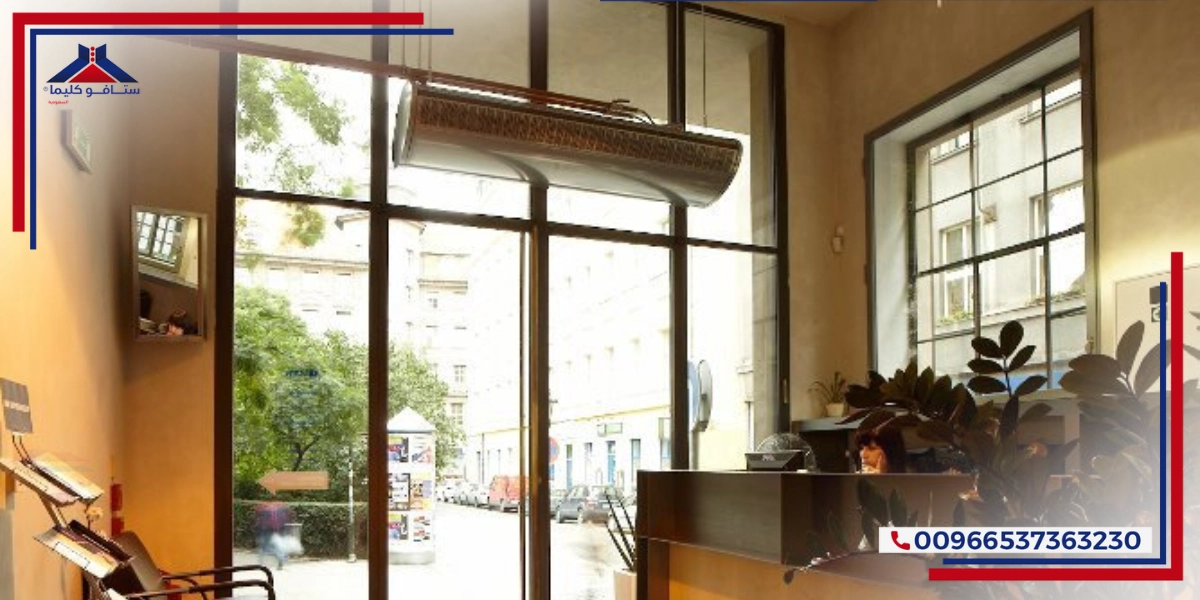
Smart air curtain control in 2026 is evolving from simple ON/OFF operation into intelligent management that adapts to peak hours and changing external conditions in real time. In Saudi Arabia—where temperature differences between indoor and outdoor spaces are extreme, dust levels are high, and entrance traffic is dense—smart adjustment becomes a direct factor in insulation efficiency and energy consumption.
Smart air curtain control also becomes essential when managing multiple entrances or branches, as it provides operations managers with full visibility and control without the need for constant on-site presence. In this article, you’ll discover the key smart control technologies for air curtains in 2026 and the real operational value they deliver.
The Most Important Smart Control Technologies for Air Curtains in 2026
Air curtains in 2026 are moving toward intelligent control that links performance to actual demand rather than fixed operation. This shift improves insulation efficiency and reduces energy waste. With the wide variety of entrance types in Saudi Arabia—retail branches, loading doors, and cold storage environments—specific technologies now enable more precise operation and easier monitoring.
Below are the most important smart control technologies in air curtains for 2026, and how each supports real-world operating scenarios:
Mobile App Control and Smart Connectivity
App-based control allows remote operation, status monitoring, and adjustment of speed and modes according to peak hours without constant on-site supervision. Its value is clear when managing multiple branches or entrances, enabling unified settings and centralized monitoring from a single dashboard. It also allows operations managers to respond quickly when performance drops or site conditions change during the day.
Motion Sensors and On-Demand Operation
This technology activates the air curtain automatically when movement is detected near the entrance and stops it when not needed, reducing unnecessary runtime. It is ideal for intermittent entrances such as clinics, storage areas, and internal corridors that do not require continuous operation. The result is better insulation during actual use, lower energy consumption, and extended service life.
Temperature Sensors and Thermal Differential Control
Temperature sensors automatically increase or reduce air curtain speed based on the temperature difference between indoor and outdoor environments, allowing the unit to respond to real conditions rather than fixed settings. This is especially useful for sun-exposed doors, loading bays, and cooling environments where conditions change rapidly. It also helps stabilize indoor climate and reduce load on HVAC and refrigeration systems.
Integration with Building Management Systems (BMS)
BMS integration allows the air curtain to operate in coordination with HVAC systems, doors, and alarm systems instead of each unit working independently. This is critical in large projects such as factories, hotels, and hospitals where entrances are managed through centralized operating scenarios. It also provides operations teams with more accurate monitoring and reporting while reducing faults caused by conflicting settings.
Smart Airflow Direction and Discharge Angle Control
This control type addresses a common challenge at high entrances or locations exposed to external winds by automatically adjusting airflow direction to minimize leakage and improve insulation. It is particularly effective when door usage patterns change or when wind and pressure differentials vary throughout the day. The key advantage is maintaining an effective air barrier without repeated manual adjustments.
Schedules and Smart Operating Modes
Scheduling enables modes such as working hours, peak traffic, closing, or maintenance, allowing the air curtain to adjust settings automatically based on the facility’s timetable. Instead of operating at full power continuously, the system balances stability and efficiency. This results in more consistent performance, reduced energy consumption, and longer equipment lifespan compared to constant operation.
Predictive Maintenance Alerts (Smart Maintenance Alerts)
These alerts monitor indicators such as reduced airflow, dirty filters, or abnormal vibration and notify you before issues turn into unexpected failures. This is especially valuable for facilities with high-traffic entrances, as it minimizes unplanned downtime and supports timely maintenance scheduling. It also protects long-term performance and reduces repair costs caused by neglect.
Read also: Standards for Choosing the Air Curtain Strength Based on Space Size
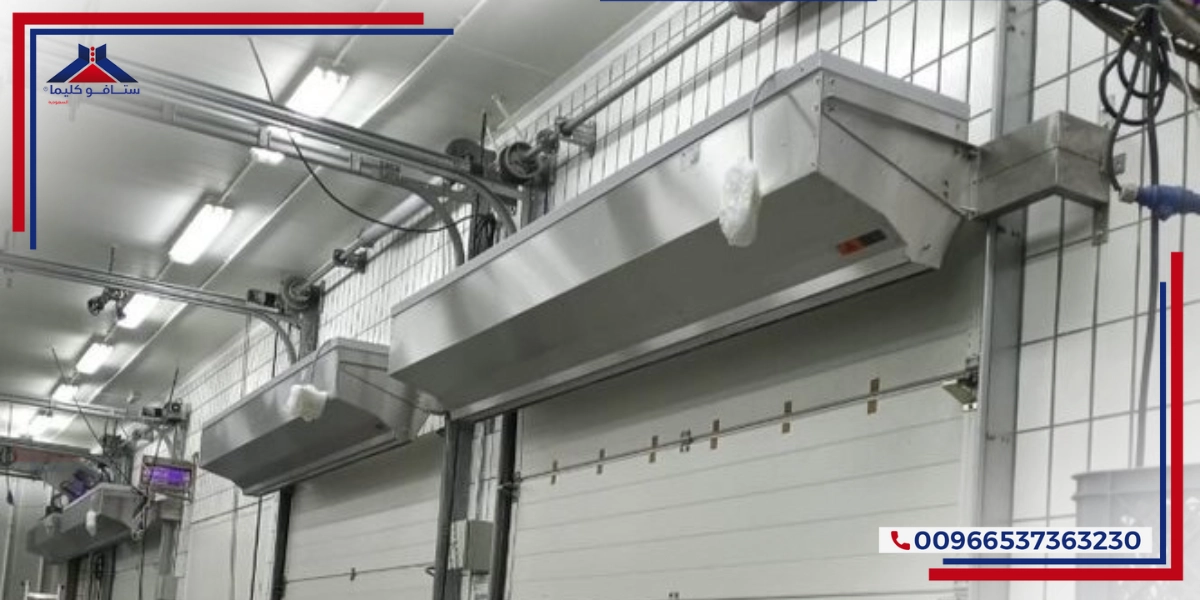
The Most Important Smart Control Technologies for Air Curtains in 2026
What Do You Actually Gain from Smart Air Curtain Control?
Smart air curtain control delivers direct value by shifting operation from “fixed routine” to “demand-based response,” reducing waste, improving insulation, and making failures less sudden. From this practical advantage, the following benefits become clear at commercial and industrial entrances across Saudi Arabia:
Reduced unnecessary operation through sensors and schedules that run only when needed.
Improved insulation and reduced outdoor air infiltration (heat, dust, insects) through automatic speed and direction adjustment.
More stable indoor climate and improved customer comfort as performance adapts to peak hours and external condition changes.
Fewer breakdowns and lower repair costs through predictive maintenance alerts that detect issues before escalation.
Stavoklima Air Curtains Compatible with Smart Control
Facility needs in Saudi Arabia vary between commercial entrances focused on energy savings, premium entrances prioritizing quiet operation and smooth performance, and industrial environments requiring centralized control and continuous monitoring. Stavoklima offers smart-control-ready air curtain options designed to deliver precise, demand-based operation with stable performance suited to each entrance type. Choose the category that matches your facility, then base the final decision on a technical evaluation that ensures correct sizing, airflow power, and control configuration.
Energy-Efficient Air Curtains
Ideal for facilities aiming to reduce consumption through smart operation linked to motion sensors and schedules instead of continuous runtime. They are especially effective in shops and branches with fluctuating foot traffic throughout the day. They also help maintain entrance insulation while reducing HVAC load.
Luxury Air Curtains
Designed for premium entrances where customer experience matters, with quiet operation and smooth control forming part of the space’s overall image. Smart control enables flexible operating modes that align with peak times without disruptive noise changes. It also gives facility managers precise adjustment that balances insulation with refined operational aesthetics.
Industrial Air Curtains
Built for harsh environments, loading bays, and factories that require powerful performance with centralized monitoring and control throughout the day. Smart control simplifies status tracking, mode adjustment based on actual operation, and integration with building systems when required. It also reduces unexpected downtime through predictive alerts and performance indicators.
Request a technical assessment from Stavoklima to select the right smart-controlled air curtain for your facility entrances.
Read also: The Best Air Curtain for Factories and Warehouses in Saudi Arabia with IP55 Protection
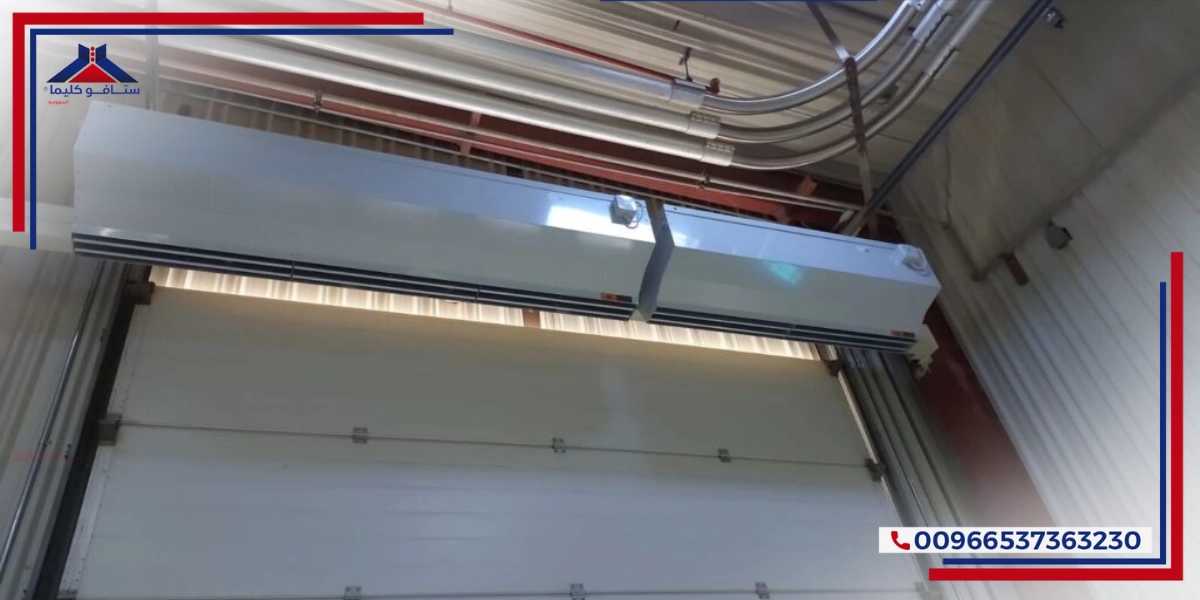
Stavoklima Air Curtains Compatible with Smart Control
Request a Technical Assessment to Select the Right Air Curtains for Your Entrances with Stavoklima
Choosing the right air curtain starts with understanding the details of your entrance, as size alone is not sufficient without defining airflow power and the appropriate operating mode. With smart control technologies in 2026, the decision becomes more precise: do you need on-demand operation, scheduling, BMS integration, or maintenance monitoring and alerts? A professional assessment from Stavoklima helps identify the most suitable solution for your entrances in Saudi Arabia, with optimized settings that ensure effective insulation and energy savings.
Do not leave performance to chance or trial and error—base your decision on clear operational criteria.
Request your technical assessment from Stavoklima today to select the ideal air curtains for your facility entrances.
Frequently Asked Questions About Smart Air Curtain Control
1- How do I reset an air curtain?
Switch it off from the circuit breaker for 1–3 minutes and then turn it back on, or use the Reset button on the control unit if available. If the issue persists, a technical inspection is usually required.
2- Can an air curtain be connected to a BMS system?
Yes. Models that support integration can be connected via compatible control modules and common communication protocols, typically installed by a technician to ensure full system compatibility.
3- Does smart air curtain control reduce failures or only save energy?
It achieves both: energy savings through reduced unnecessary operation, and fewer failures through balanced runtime and predictive maintenance alerts that identify issues before they escalate.