




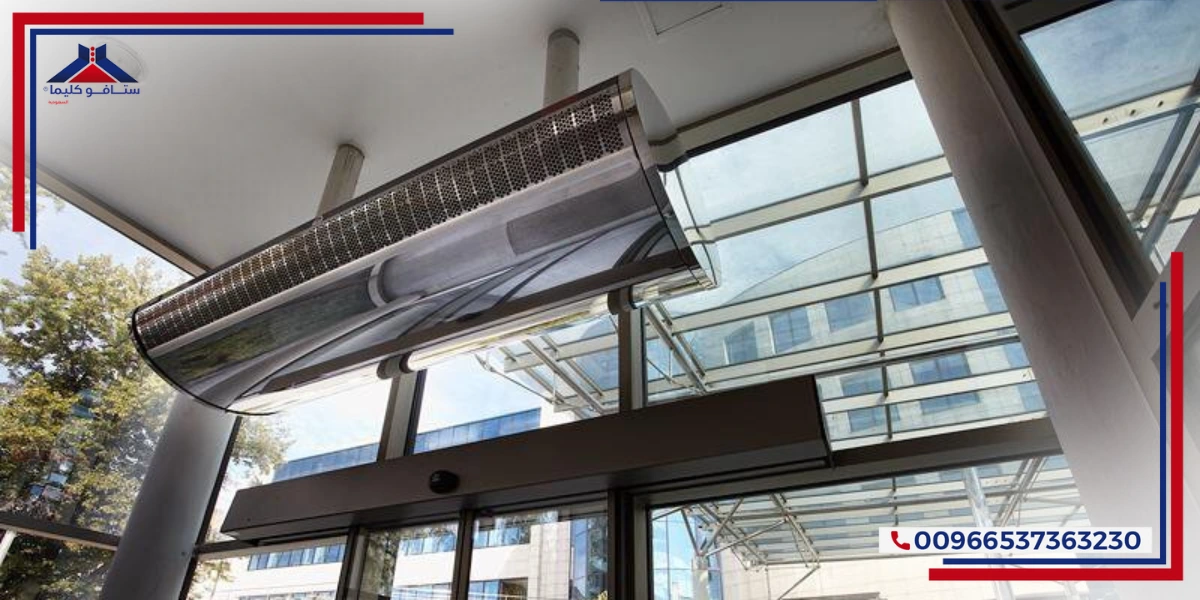
Air curtain care often starts with a simple observation: the unit may operate daily, yet performance gradually declines without you noticing. In Saudi Arabia, dust, frequent door opening, and long operating hours make air curtains more vulnerable to reduced airflow, increased noise, and unwanted odors. Over time, neglect shifts from a minor issue into higher energy consumption and weaker insulation at the entrance.
That is why daily care and periodic maintenance become part of protecting HVAC systems and maintaining a positive customer experience inside the facility. In this guide, you will learn what weakens performance and how to maintain air curtains through clear, practical steps.
What Weakens Air Curtain Performance Over Time?
Air curtain performance usually starts to decline from one main point: air no longer exits with the same force and direction as it did initially, due to buildup or incorrect settings that affect intake and discharge airflow paths. The following causes directly explain this gradual decline over time:
Dust buildup on air intake and discharge openings, reducing airflow rate and weakening the air barrier.
Clogged filters (if installed), restricting airflow intake and lowering efficiency.
Dirt accumulation on the fan, increasing resistance and leading to noise, vibration, and reduced output.
Improper installation or operation, causing incorrect airflow direction or speed relative to entrance size and usage intensity.
Read also: Air Curtain Care Guide: How to Maintain Air Curtains
Daily Care for Air Curtains
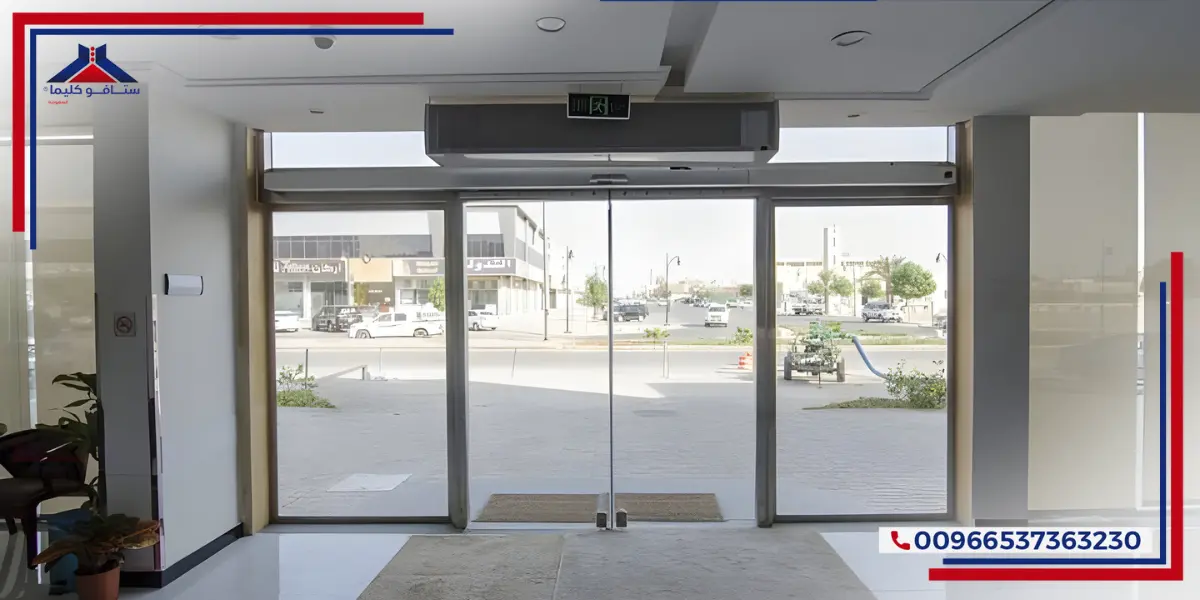
Daily care for air curtains helps maintain consistent airflow and effective insulation at entrances, while reducing the chances of noise, odors, and performance degradation caused by dust and frequent operation. The advantage is that simple, regular actions reveal issues early—before they turn into costly maintenance or unexpected downtime. Daily air curtain care steps include the following:
Wiping the External Housing Without Scratching
Light wiping helps remove accumulated dust that may eventually enter intake openings or stick to discharge outlets. It is recommended to use a dry or slightly damp microfiber cloth to avoid scratching painted surfaces or leaving marks. Strong chemicals or scented cleaners should be avoided, as they may damage coatings or plastic panels.
Ensuring No Obstructions at Intake or Discharge
Air curtain performance is quickly affected when intake or discharge openings are blocked, as airflow needs a clear path to maintain strength and stability. Check above or below the unit depending on installation type (wall-mounted or ceiling-mounted) to ensure no nearby obstructions. Common obstacles in retail spaces include nearby signage, hanging décor, high shelving, or storage boxes interfering with the airflow path.
Quick Visual and Operational Check Before Peak Hours
Early daily inspection reveals fault indicators before they appear to customers during peak hours, especially in active entrances. Check for unusual noise or friction and confirm that airflow is consistent across the doorway width. Also watch for continuous vibration or noticeable outdoor air leakage despite normal air curtain operation.
Daily Care for Air Curtains
Common Mistakes When Cleaning and Maintaining Air Curtains
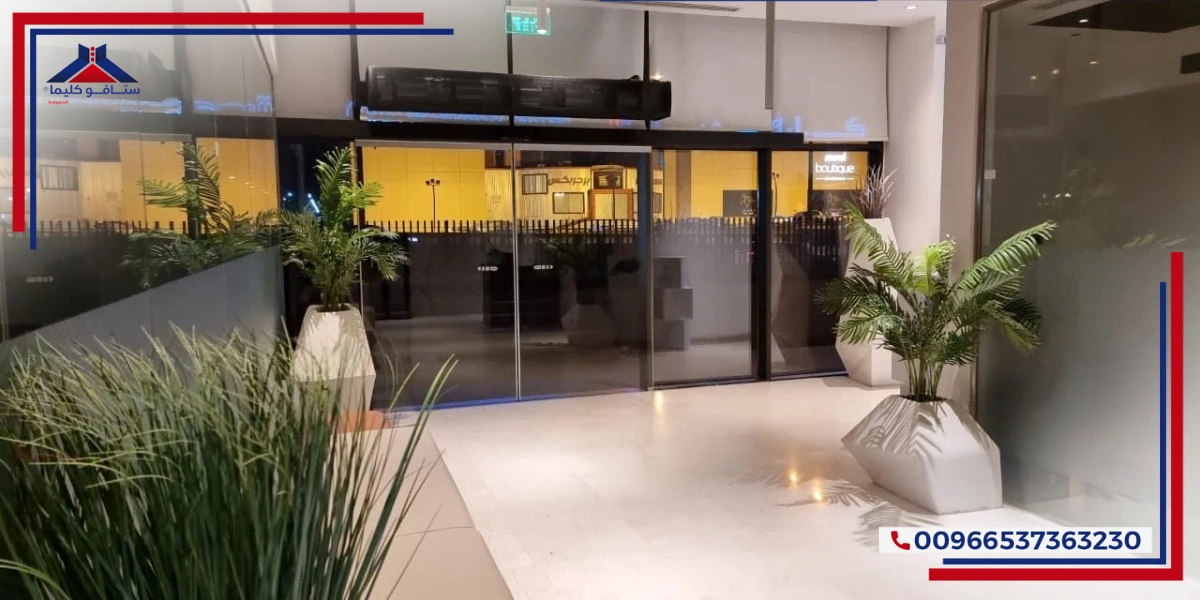
Mistakes in cleaning and maintaining air curtains often result from good intentions applied incorrectly. Improper methods may introduce moisture into sensitive components or obstruct airflow instead of improving it. The following mistakes are among the most common causes of performance decline after cleaning or over time:
Using excessive water or direct sprays, which may damage components or cause control panel malfunction.
Operating the unit with a wet filter, restricting airflow intake, increasing load, and causing odors or vibration.
Ignoring intake and discharge openings while focusing only on external appearance, leaving dust inside the airflow path.
Allowing dirt to accumulate until noise or visible weakness appears, turning simple maintenance into costly repair.
Read also: Smart Control Technologies for Air Curtains in 2026
Common Mistakes When Cleaning and Maintaining Air Curtains
Signs That Your Air Curtain Needs Professional Maintenance Now
The need for professional air curtain maintenance becomes clear when issues go beyond basic cleaning and adjustment, and begin affecting safety, insulation efficiency, or cooling performance. If any of the following signs appear, technical inspection becomes necessary rather than optional:
Clear reduction in airflow compared to normal operation.
Unusual noise or friction during operation.
Unfamiliar odors during operation or shortly afterward.
Continuous vibration or unit instability.
Outdoor air infiltration despite normal air curtain operation.
Maintain Air Curtain Performance… Request a Quick Inspection from Stavoklima!
Air curtain performance remains strong when early signs of weakness are addressed before they develop into noise, vibration, or air leakage that strains HVAC systems and increases energy consumption. In Saudi environments, even minor dust buildup or small setting issues can affect the air barrier within a short time. A quick inspection helps identify the exact cause and deliver the right solution without trial-and-error or unexpected downtime.
Request a quick inspection from Stavoklima now to keep your air curtain operating at maximum efficiency.
Frequently Asked Questions About Air Curtain Care
1- What is the expected lifespan of an air curtain?
Typically between 7 and 12 years, depending on unit quality, operating intensity, installation quality, and maintenance practices.
2- What is the best way to care for air curtains?
Regular cleaning of filters and intake/discharge openings, external wiping with a microfiber cloth, and quick checks for noise, airflow consistency, and vibration.
3- How often do air curtains need maintenance in Saudi Arabia?
Basic cleaning and inspection monthly (weekly in dusty environments), and full professional maintenance every 6–12 months or immediately when weakness, noise, odor, or vibration appears.